
From Tokenmaxxing to Tokenoptimizing - Analyst POV @ SuperAI
I went to SuperAI expecting new tools & startups. I left with a completely different view on where AI is heading. From the rise of solopreneurs to agentic commerce. Here are top the trends & startups

SuperAI this year was pretty super — we had wide ranges of startups and enterprises showcasing their innovations. From bare metal GPUs to robotics and agentic commerce, almost everything was at the event (except open-source & decentralized AI but we can talk about that later).
I went to SuperAI this year with a few goals in mind
Identify interesting innovations
Learn something new
Find tools that can help improve my Hermes analyst stack
Understand trends that could shape the next 6-12 months
Get out of X echo chamber, meet people working in AI, and see what they’re like
And boy oh boy, the entire trip changed my perception on a lot of things.
In this article, I’ll go over
4 key AI trends that will shape the next 12 months
Most popular AI business model in 2026
Bonus: Top innovations + startups that piqued my interest at Super AI (and why)
Will cover these tomorrow in the After Hour EP.59
Personal reflections & takeaways (AI, product, people, event)
How these experiences affect my investment theses
Disclaimer: this piece is written from a POV of an analyst who deeply appreciates open innovations, decentralized AI, consumer products, financial markets, and cheap & efficient compute/inference. What you’re about to read is subjective and is based on my personal observations so take it with a grain of salt. No endorsements/NFA/DYOR.
Without no further ado, let’s dig in ↓
1. The Rise of Solopreneurs
SuperAI this year has more varieties than the last, likely because the models got so much more intelligent that building something only takes an idea and an intention to build it.
Because of this, there’s a wave of solopreneurs and 2-3 person teams showcasing MVPs and raising early pre-seed rounds at the event.
I’ve met a few who stay at @balajis Network School (NS). All of them have no technical background, they take classes & workshops at NS, learn from other founders, and vibecode their ideas.
2 solopreneurs stood out for me
Tanya — a student from Canada who’s currently building an interactive game designed to help kids learn new languages. Think GTA/Sim + Roblox, adventure from cities to cities while learning about their languages & cultures
Akhil — a solopreneur who’s building narrative intelligence layer for storytellers to tell better stories. Akhil aims to improve AI-generated content with better narrative structure, compelling storytelling with tension, pacing, and resolution (the platform is still not live yet but he has a waitlist open at ar3stotle(.)com)
I’ve met many solopreneurs like Tanya and Akhil, students or non-tech professionals who decided to leave their jobs to build their own products.
This is probably also a by product of the intense global job markets — AI replacements, layoffs, rising competition especially for fresh grads push people to adopt AI and do their own things instead of going with the traditional corporate path.
On AI product, the solopreneurs tend to start with Claude or Codex subscription to get a feel of how to create. Once they get more advanced, they tend to optimize their costs by using open models + use AI solutions from startups that can help outsource or offload part of their work at a relatively cheaper price (e.g. tools to track AI spend & errors & bugs, tools to ensure agents stay durable in long-running workflows).
2. From Tokenmaxxing to Tokenoptimizing
If like me, you’re terminally online. You’d probably see the bifurcation of AI demand from 2 groups of users since last year. Major enterprises burn millions & billions on frontier models while individual devs and startups opt for open models that cost 70-90% cheaper while having 70-90% the intelligence of frontier models.
Major enterprises are starting to feel the burn from the spend and so they opt for open models or opt for company-wide policy that limits the use of frontier models.
At SuperAI, when I asked engineers & devrels which startups/products they’re excited about, they either point towards ClickHouse or Temporal — LLM engineering platform, AI observability, AI analytics, durable AI execution.
This pretty much confirms the shift from Tokenmaxxing to Tokenoptimizing for me because
ClickHouse: AI observability & AI analytics are all about dashboards & agent systems that basically observe and track how your agent perform across different tasks, how much of inference is spent, why a bug occurs, etc. The engineers can then step in in real-time
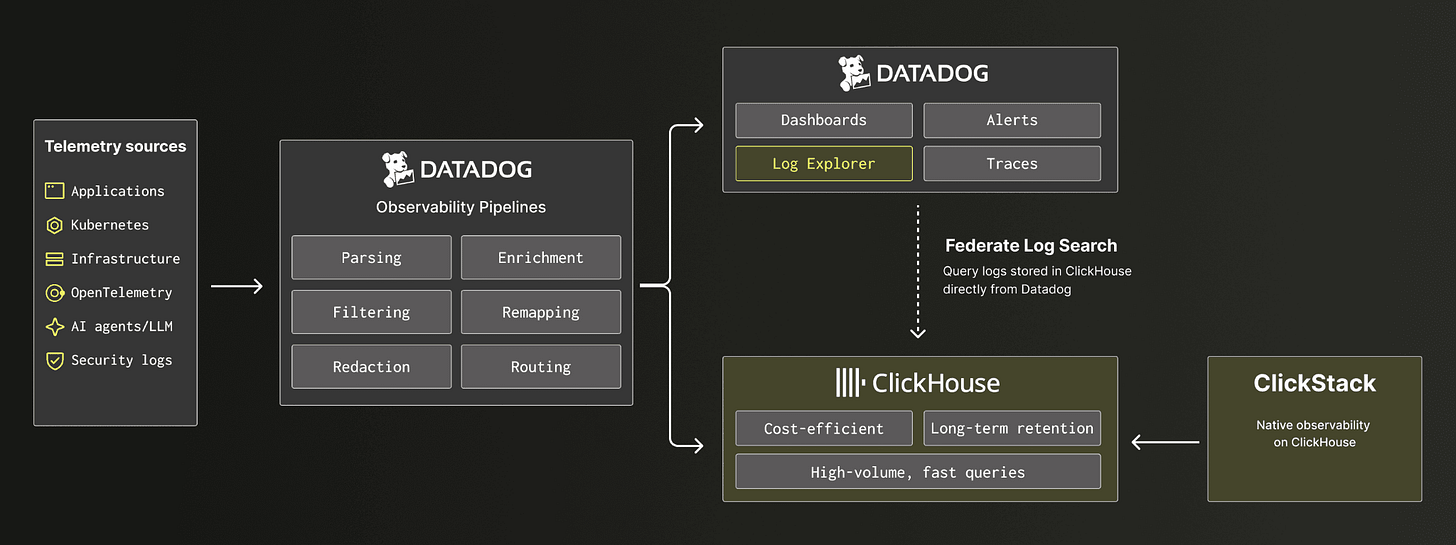
Temporal: Since agent systems rely on long non-deterministic loops of calling external APIs, queries data, predicting the next tokens, la la la, failures could happen from rate-limits, network crashes which could drop the agent workflows and waste countless tokens. Temporal has a framework that make these workflows durable, verifiable, and deterministic.
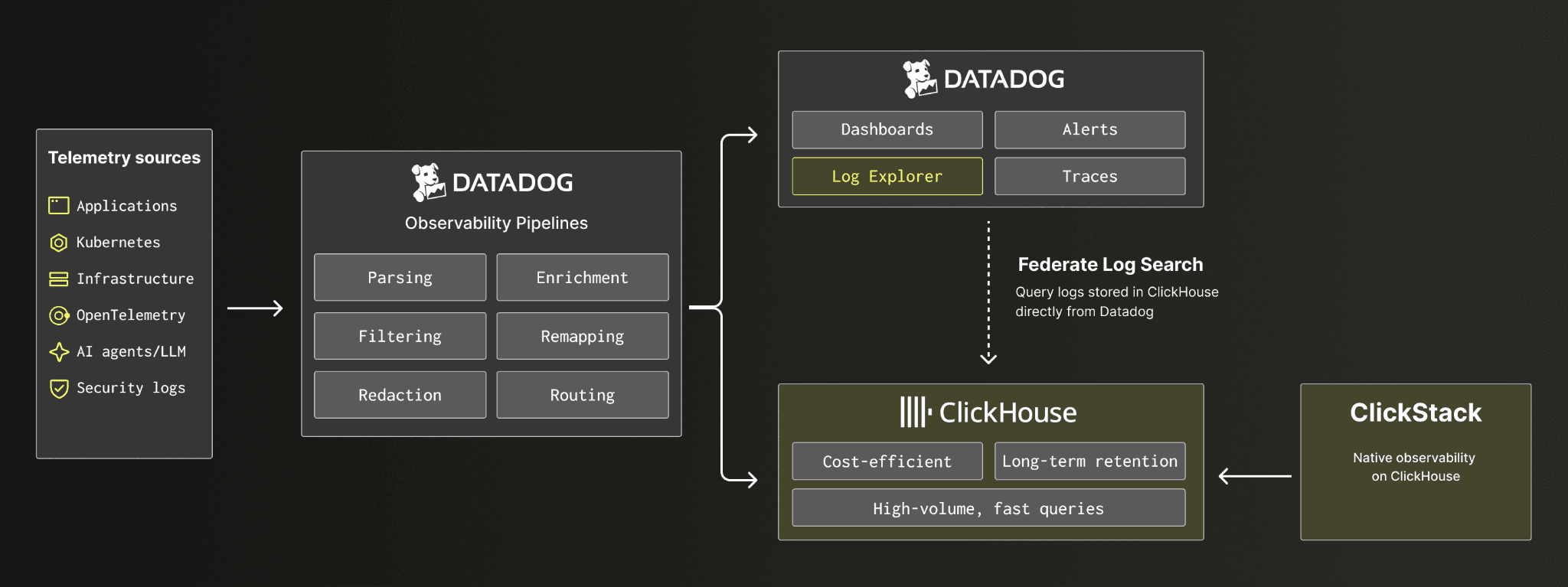
A lot of startups I saw at the event pretty much use OpenRouter and switch around open models while using solutions like ClickHouse and Temporal to further optimize the AI spend.
3. From Generative AI to Copilot to Autopilot
We’re seeing a shift from generative AI to copilot to autopilot — from generative AI with natural language to fully autonomous workflows that are designed to deliver outcomes without having humans to actively ask for them.
Last year was more of human prompting AI for outcomes, this year there’s a lot more AI copilots who live in environments/workflows that people are used to.
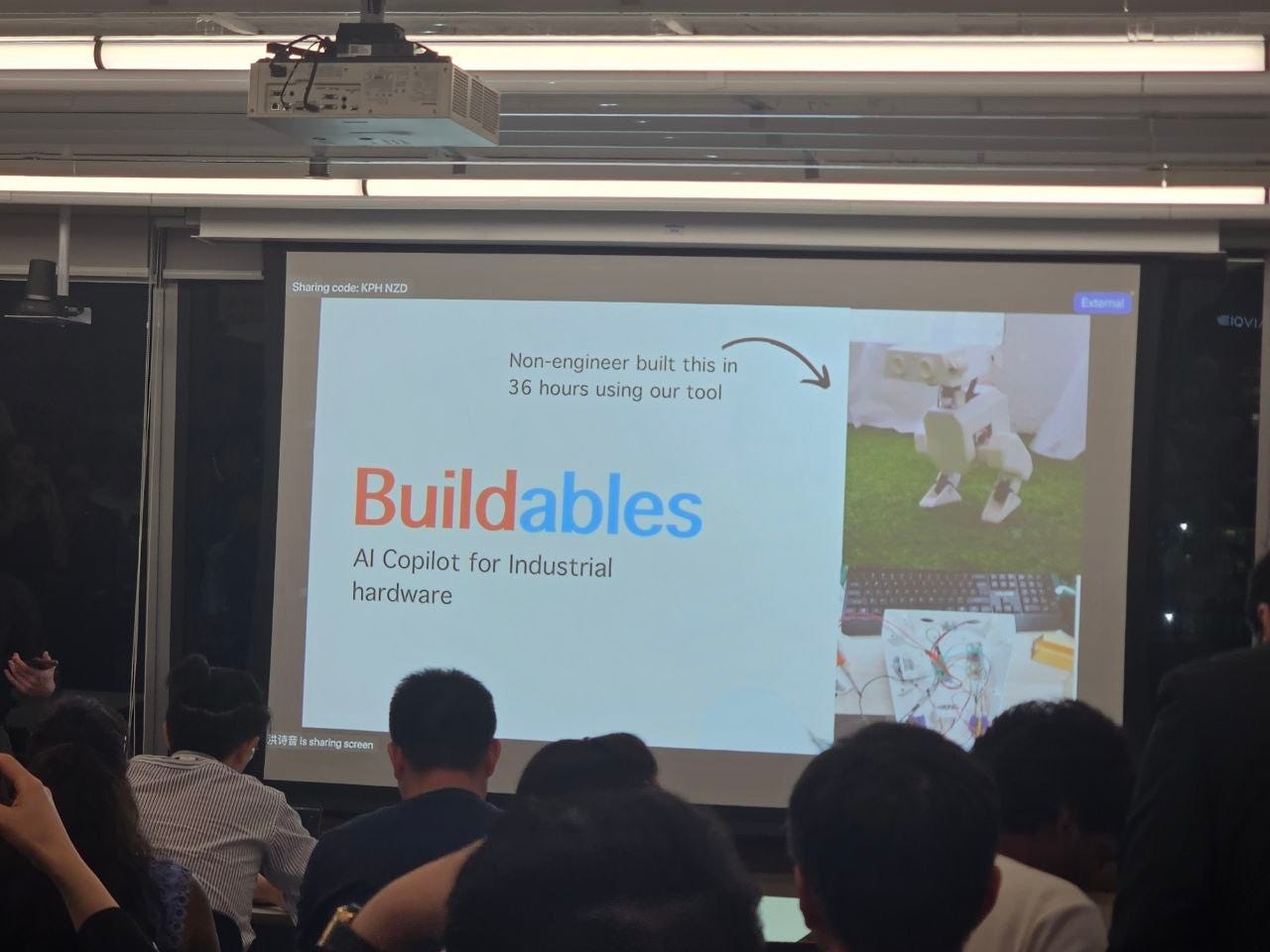
Buildables: AI copilots for industrial hardware. Helps mechanical engineers source parts and build robots (Cursor for hardware)
ReadyAI: A radar for who moves your world. A living knowledge graph/map that you can connect anything to it — relationships, VCs, fundraising news, etc. Agent maps scattered sources and draw relationships for you
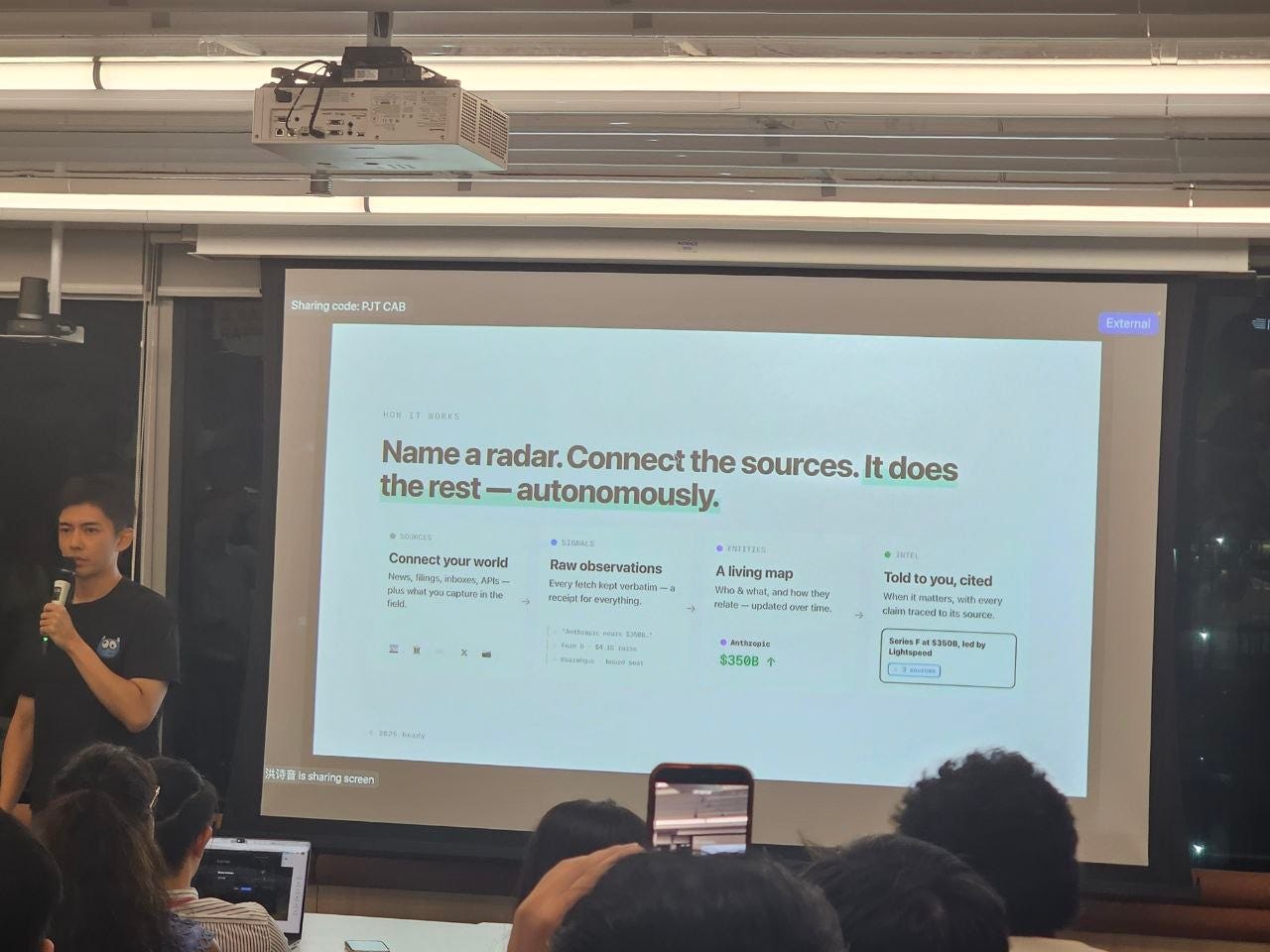
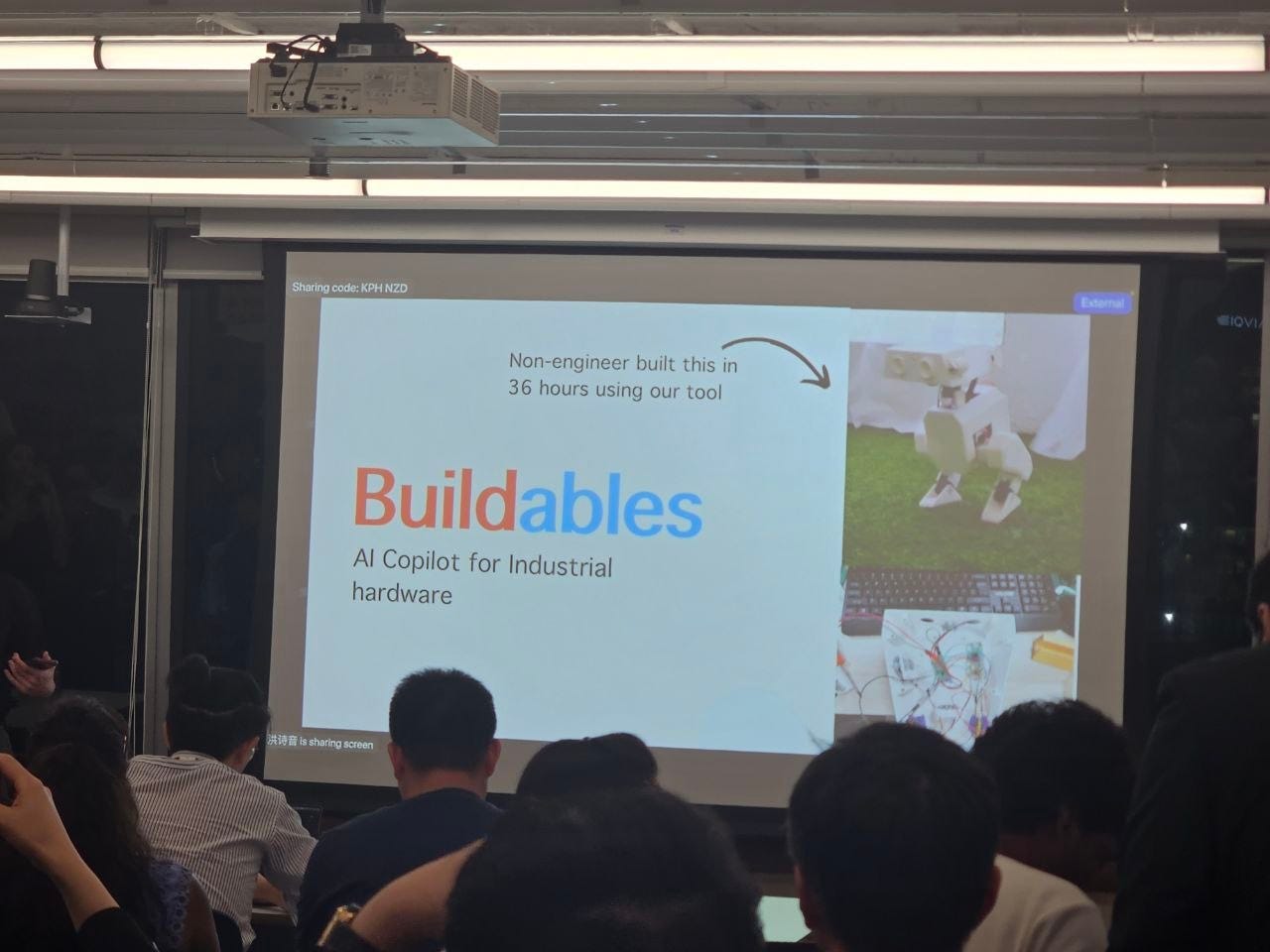
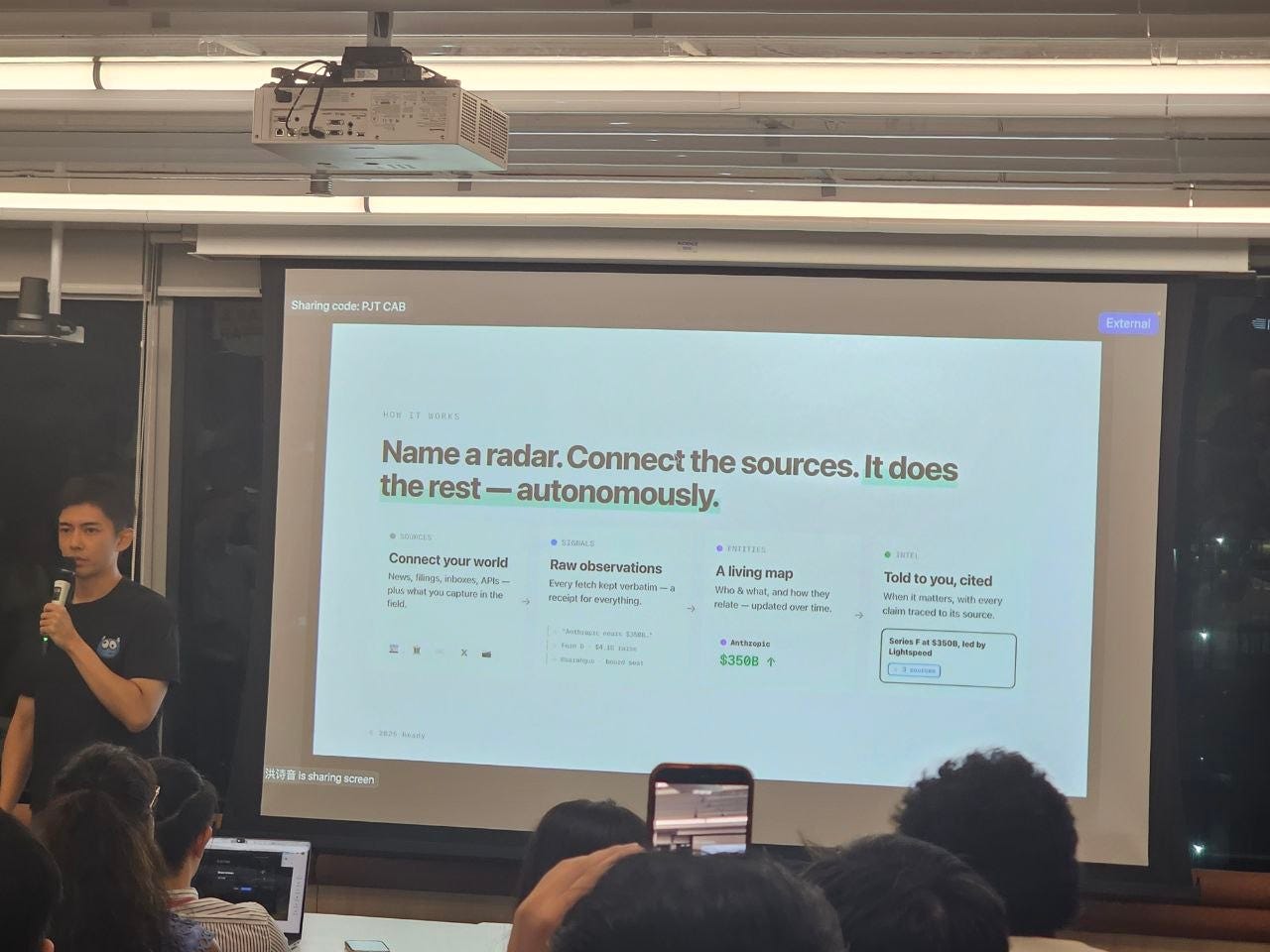
Instead of having to prompts the AI and do things ourselves, the AI systems are designed to do more for you (sometimes without you having to ask).
This trend is likely to accelerate as more and more people compete to deliver better outcomes for users.
This trend is especially more prominent in the agentic commerce space.
4. The Agentic Commerce is here (somewhat)
There are two kinds of agentic commerce — the kind that’s built for the future and the kind that’s built for the present.
Most of us here know about the future kind. The x402 and the MPP, the M2M or the M2V economy where agent buys from other agent or buy from other vendors. Very early, gonna take a while to play out.
The present kind is what I learned about at SuperAI
OpenAI and Google both work on search-and-retrieval for agentic commerce. You talk to your ChatGPT or Gemini about wanting a lamp, the AI gives you some lamp options, you shop directly in the same interface. Agentic commerce designed for consumers
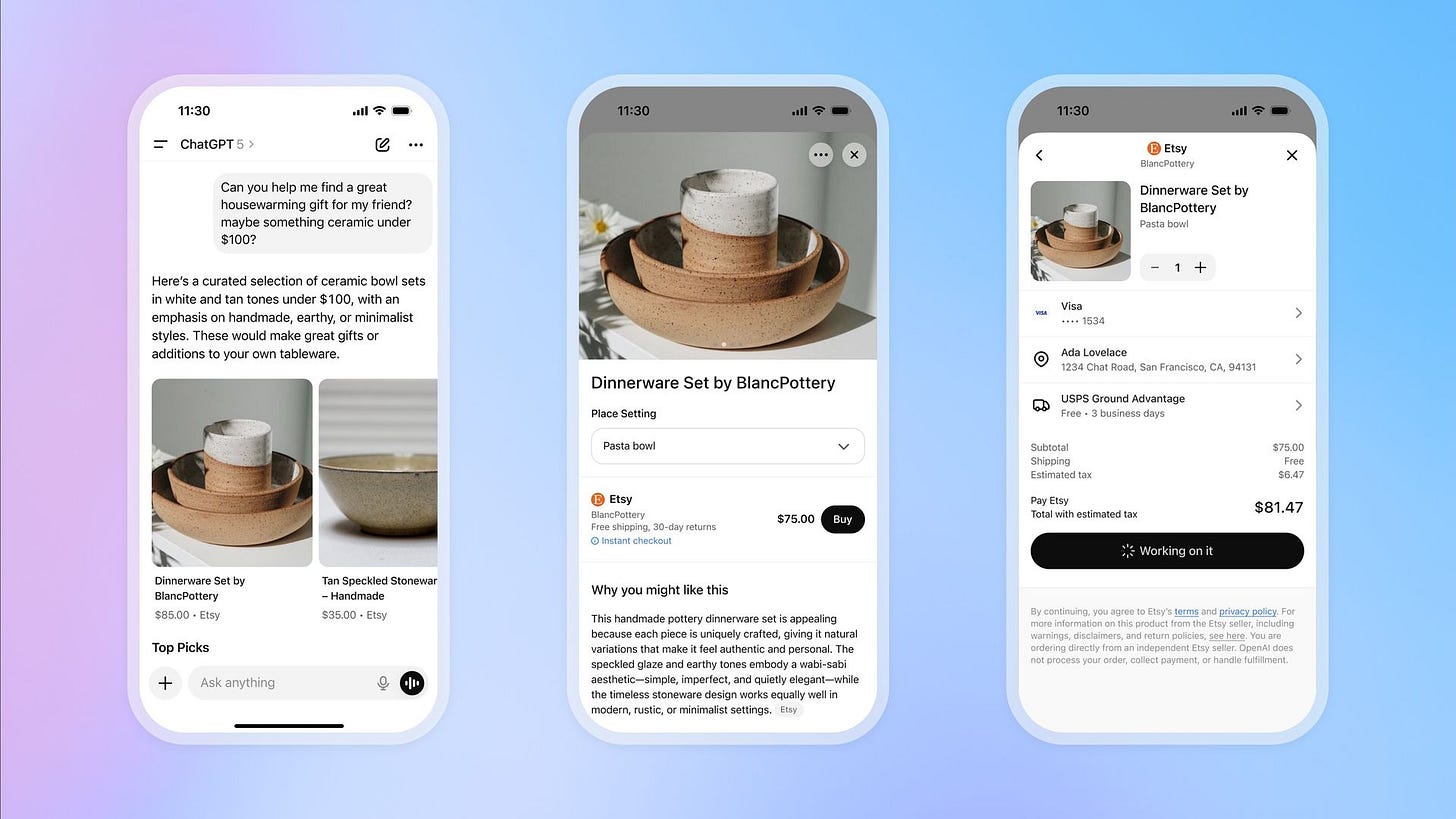
Meta is building a closed-loop agentic commerce across Facebook, Instagram, Whatsapp. Shopping AI agent guides users through the shopping experience. Get AI insights → ask questions → check out & pay directly in the same interface
Stripe is probably the most advanced player at agentic commerce. They’ve built agentic commerce protocol (ACP) with OpenAI and Meta. Given this is vendor-agnostic/open-source standard that a lot of companies use, merchants & enterprises have full freedom to use any payment processor they want beyond Stripe.
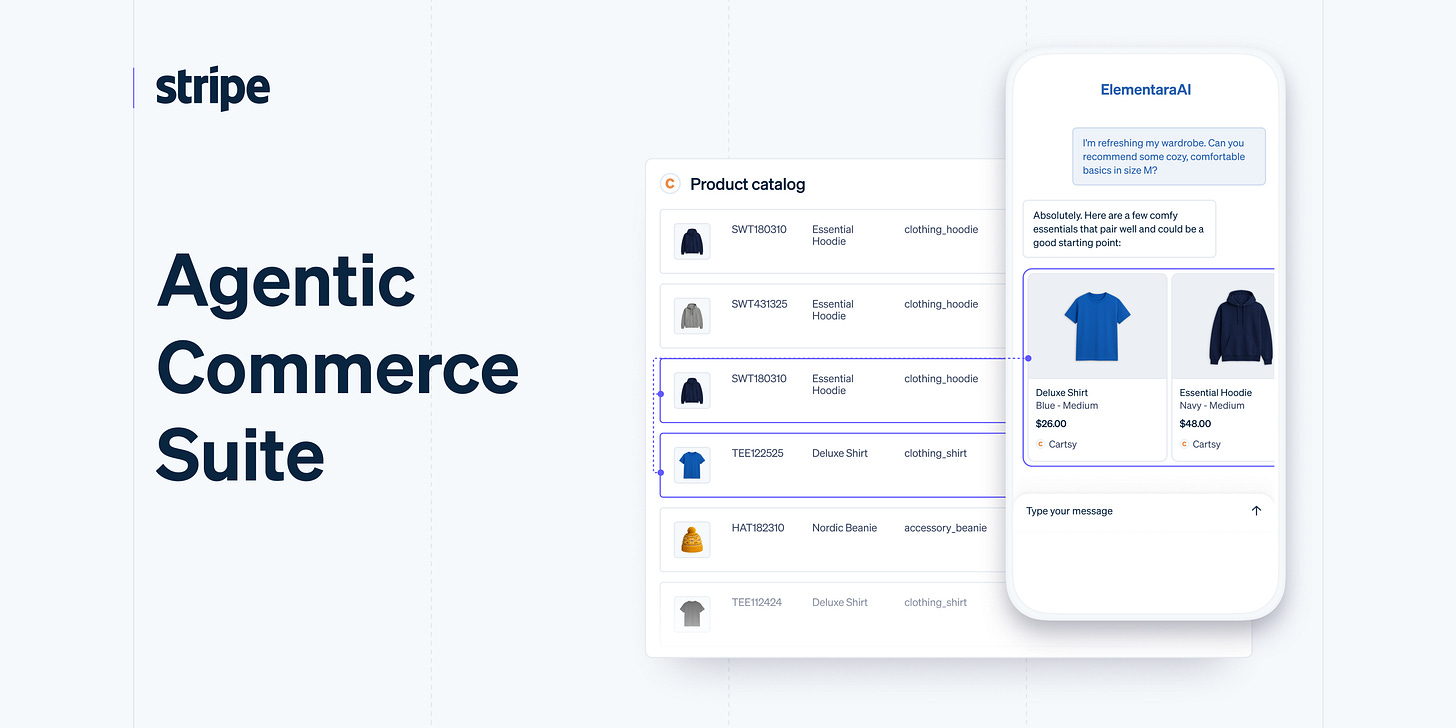

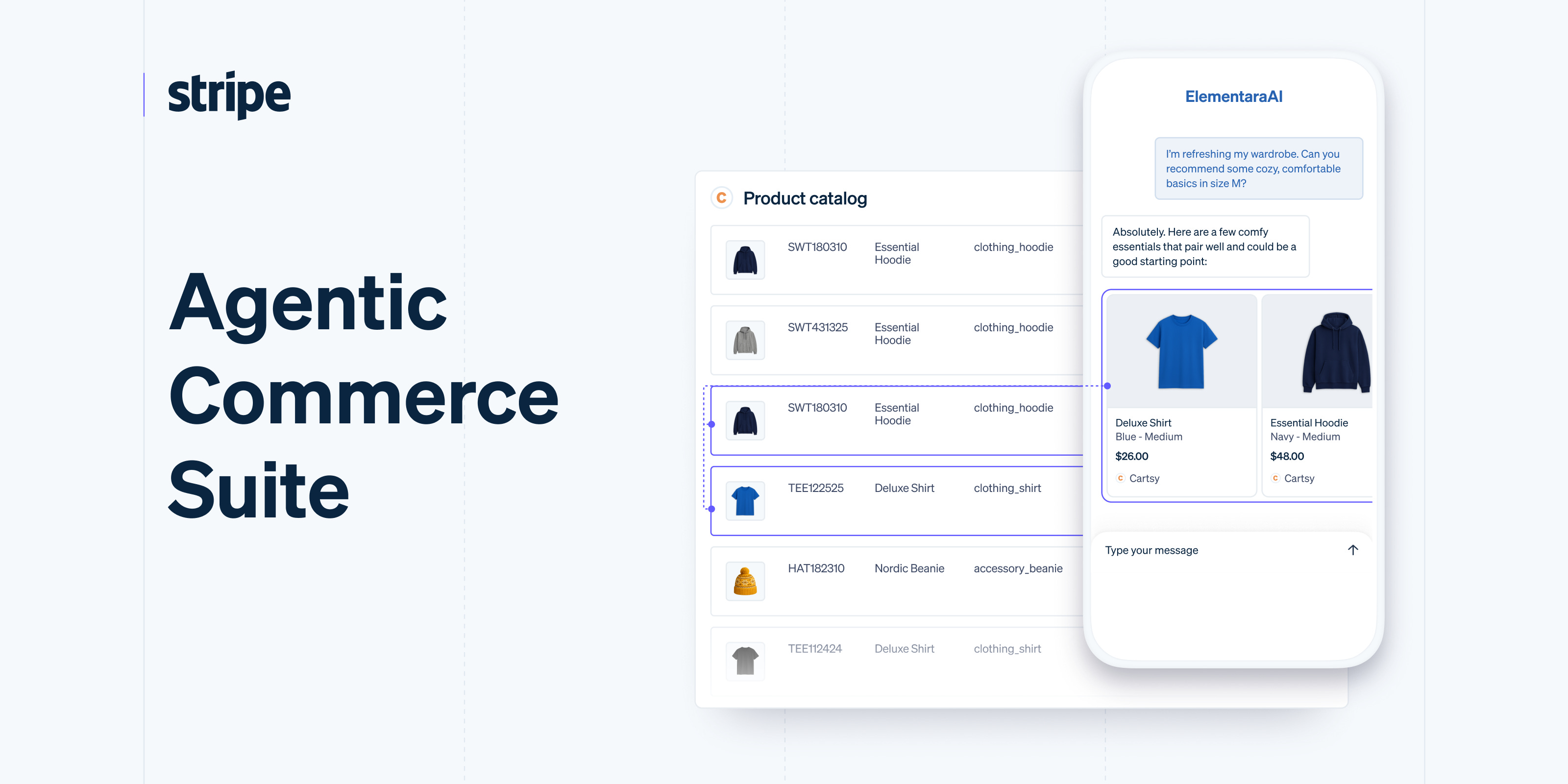
On the future kind, there aren’t that many startups building for it yet.
Clink is building for the pay-per-use agentic commerce but instead of stablecoin rails (x402, MPP), they are building on top of Visa. They use cases will be pay-per-use for traditional merchants that don’t want to get onchain
There’s also a startup building payments & standard aggregators across vending machines (VCCS/MDB), electric cars (OCPI/OCPP/EVCS) and agentic commerce (UCP, AP2, ACP, x402, MPP)
Both kinds of agentic commerce feel super early but we’re starting to see the glimpse of how AI is starting to impact how people shop & pay for goods.
What is not early and is gaining a lot of popularity in 2026 is
The AI business of wholesaling, reselling, aggregation
One of the most popular type of business is the business of wholesaling, reselling, and aggregation.
As demand for anything AI increases, the demand for cheaper AI increases. And the best ways to get discount is by bringing them together.
AI gateway — I’ve seen 3-4 OpenRouter-style business that offers access to models at “cheaper” price. Most structure deals with model providers to subsidize early usage and attract users
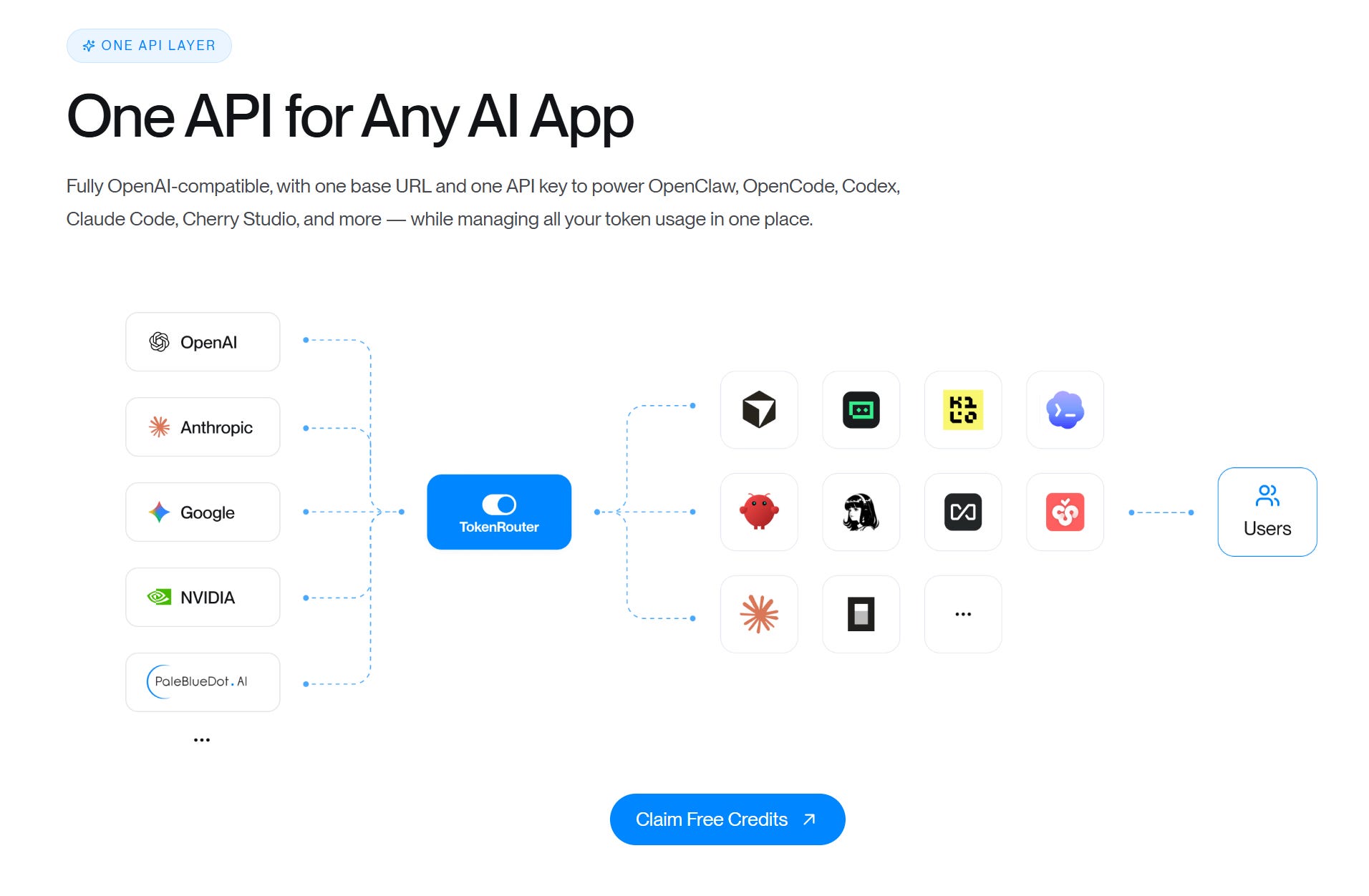
AWS resellers — pool startups together under a single master organization to secure large enterprise discounts. If a startup want to get discount from AWS, they’d usually have to be lock-in for multi-year contract. This allows them to enjoy the discount while removing the yearly commitment
Everybody is eager to spend on AI and the sellers are racing to provide the cheapest access to AI. The bifurcation between major enterprises using frontier models and smaller startups opting for open models is getting stronger and the layer in the middle — is benefitting from it.
Top innovations + startups that piqued my interests
I talked to or witnessed about 40+ pitches/demos. Here are my personal favorites
Let’s go through them one by one + highlight of each one